April 7, 2026
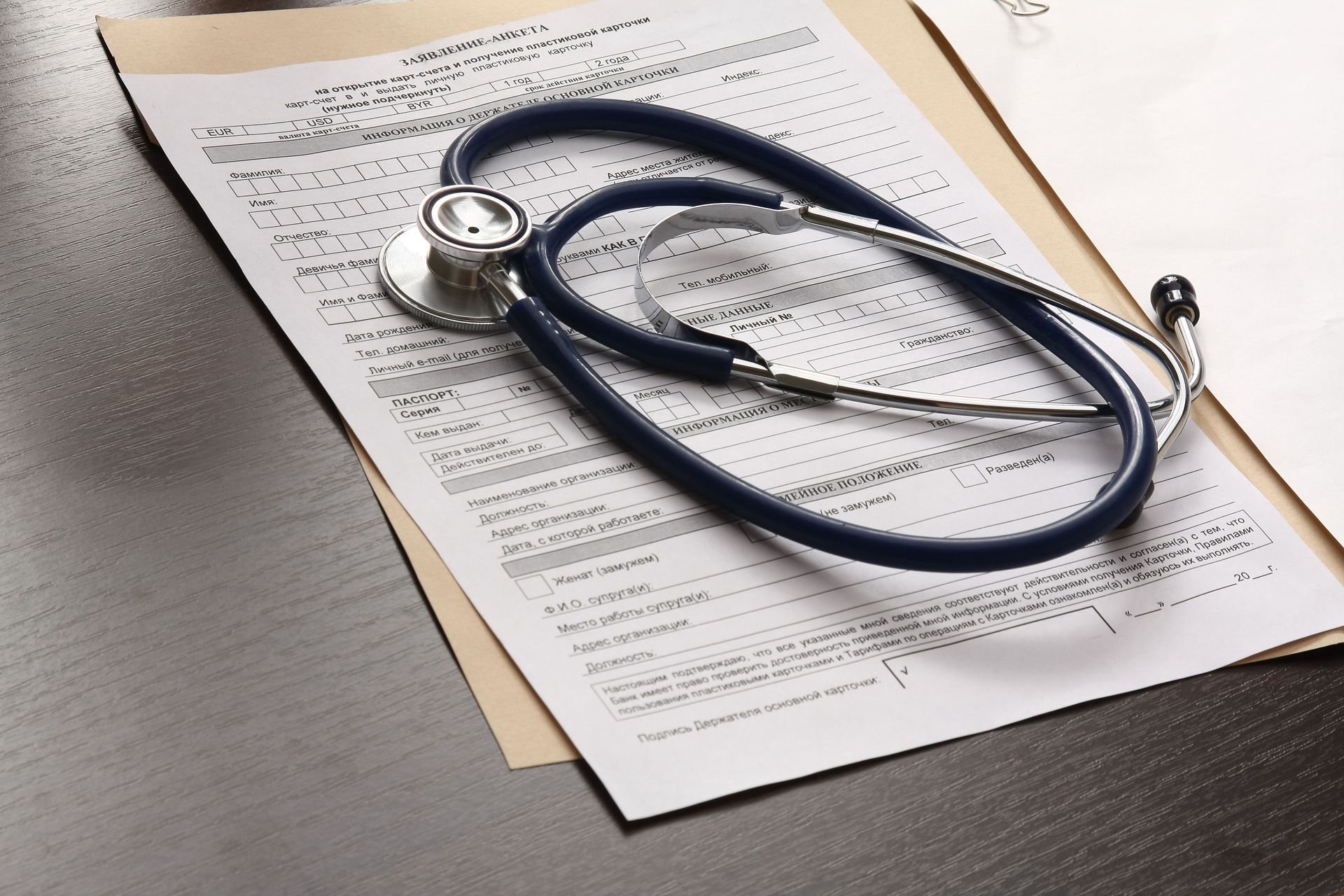
Medical record review is a critical process in the healthcare industry that ensures patient care is accurately documented and evaluated. Accurate medical records not only support patient safety but also aid healthcare providers in making informed clinical decisions. According to Forbes, medical errors cause 251,000 fatalities annually, emphasizing the necessity of thorough documentation and review. Professional medical record review services help mitigate errors by identifying inconsistencies, gaps, or discrepancies in patient records. This meticulous attention to detail is essential for legal compliance, insurance claims, and maintaining high standards of patient care. Organizations that prioritize medical record review demonstrate a commitment to quality, accountability, and long-term operational excellence in healthcare.
Evaluating Documentation Accuracy
One of the primary goals of medical record review is to assess the accuracy of clinical documentation. Each entry in a patient’s record must reflect the care provided, the treatments administered, and any observations made during visits. Accurate documentation ensures continuity of care and reduces the likelihood of medical errors. Medical record review professionals are trained to recognize errors in coding, missing information, and inconsistencies between patient charts and clinical notes. Their expertise allows for precise identification of areas that require correction or clarification, which ultimately enhances patient outcomes. Investing in professional review services supports healthcare providers in maintaining comprehensive, reliable, and defensible medical records.
Ensuring Compliance With Regulatory Standards
Medical records must comply with federal, state, and institutional regulations. Regulations such as HIPAA mandate the protection and proper management of patient information, while documentation standards ensure that records can support billing, quality assessments, and legal proceedings. A medical record review helps organizations verify that records adhere to these strict requirements. Professionals conducting reviews are knowledgeable about the nuances of regulatory compliance and can identify documentation that may be noncompliant or incomplete. This process not only reduces the risk of penalties and audits but also reinforces a culture of accountability, ethical practice, and diligence within healthcare facilities. Accurate compliance checks during medical record review safeguard both patients and providers alike.
Identifying Patterns and Trends in Care
Beyond verifying accuracy and compliance, medical record review provides insights into patterns and trends in patient care. By systematically analyzing records, reviewers can detect recurring issues such as medication errors, frequent re-admissions, or inconsistencies in treatment protocols. Identifying these trends allows healthcare organizations to implement improvements that reduce errors and enhance patient outcomes. Professional reviewers use advanced methods to track these patterns across multiple records, creating a comprehensive picture of clinical practices. The insights gained through medical record review can inform staff training, protocol updates, and policy adjustments, making it a powerful tool for continuous quality improvement across all levels of patient care delivery.
Supporting Legal and Insurance Processes
Medical record review plays a crucial role in legal and insurance matters. Accurate and well-documented records can serve as critical evidence in medical malpractice cases or disputes involving insurance claims. Review professionals ensure that all relevant information is organized, complete, and clearly presented. They also verify that coding and documentation meet the necessary standards for insurance reimbursement and liability assessments. By providing thorough and objective analysis, medical record review helps reduce risk exposure for healthcare organizations and supports fair and efficient resolution of claims. Utilizing professional services ensures that legal and financial processes are backed by reliable documentation, increasing confidence for providers and patients alike.
Enhancing Patient Safety and Care Quality
Patient safety is the cornerstone of effective healthcare, and medical record review directly contributes to it. When records are meticulously reviewed, potential errors and omissions are identified before they affect patient outcomes. This proactive approach prevents adverse events and ensures that care decisions are informed by accurate information. Professional reviewers can detect overlooked allergies, missing test results, or inconsistencies in treatment notes that might otherwise compromise patient safety. Through these interventions, medical record review enhances the overall quality of care delivered, demonstrating a tangible commitment to patient well-being. Healthcare facilities that integrate professional review into their operations create safer, more reliable, and more responsive care environments.
Leveraging Expertise for Complex Cases
Certain medical cases involve complex histories, multiple providers, or intricate treatment plans. These cases benefit significantly from specialized medical record review services. Reviewers bring expertise in interpreting complex medical terminology, understanding procedural codes, and correlating data from multiple sources. Their professional insight ensures that even the most complicated records are analyzed thoroughly, providing clarity for healthcare providers and stakeholders. This level of detailed review helps prevent errors that can occur in high-risk or multifaceted cases. By relying on experts, healthcare organizations can navigate the complexities of advanced care scenarios with confidence, knowing their records accurately reflect patient histories and support optimal clinical outcomes.
Improving Operational Efficiency in Healthcare
Medical record review not only safeguards patient care but also enhances operational efficiency within healthcare organizations. Streamlined, accurate records reduce the time providers spend searching for information, clarifying notes, or correcting errors. Professional reviewers identify redundant or missing data, facilitating smoother workflows and faster decision-making. Improved efficiency also extends to administrative functions such as billing, coding, and reporting. By integrating medical record review into standard operational practices, healthcare facilities can optimize both clinical and administrative processes. This results in a more productive environment where providers can focus on delivering care rather than managing documentation errors, ultimately benefiting the organization’s bottom line and reputation.
Maximizing Value Through Professional Services
Engaging professional medical record review services offers tangible benefits for healthcare organizations. Experts provide thorough assessments that ensure accuracy, compliance, and completeness, while also delivering actionable insights. This reduces the likelihood of costly errors, improves patient outcomes, and strengthens legal and financial protection. Medical record review professionals also offer a level of objectivity and expertise that internal staff may not have, allowing for unbiased evaluation of records. By leveraging these services, healthcare providers demonstrate their commitment to excellence, risk management, and patient safety. The value derived from professional review far outweighs the investment, making it an essential component of modern healthcare management and quality assurance.
Promoting Continuous Improvement in Healthcare Practices
Medical record review is not a one-time activity but an ongoing process that promotes continuous improvement. Regular reviews allow healthcare organizations to monitor compliance, track trends, and identify areas for clinical enhancement. Insights gained from these reviews can guide policy updates, staff training programs, and quality improvement initiatives. By consistently applying professional review, facilities create a feedback loop that supports evolving best practices and reduces the risk of recurring errors. This proactive approach fosters a culture of accountability and high standards in patient care. Ultimately, medical record review serves as a cornerstone for long-term improvement and sustainable excellence in healthcare delivery, benefiting patients, staff, and organizational performance alike.
The
medical record review process is a vital element of safe, efficient, and compliant healthcare operations. From verifying documentation accuracy to ensuring regulatory compliance, this process protects both patients and providers. It identifies trends, supports legal and insurance requirements, and enhances operational efficiency. By leveraging professional expertise, healthcare organizations can maximize the value of their records while promoting continuous improvement in patient care. The benefits of medical record review extend across clinical, administrative, and legal dimensions, underscoring its critical role in modern healthcare. For reliable, comprehensive medical record review services, contact SBH Medical Reviews, LLC. Our team of professionals ensures your records meet the highest standards, supporting safe, efficient, and high-quality patient care every step of the way. Partnering with SBH Medical Reviews, LLC empowers your organization to maintain accuracy, reduce risks, and enhance overall healthcare delivery.